
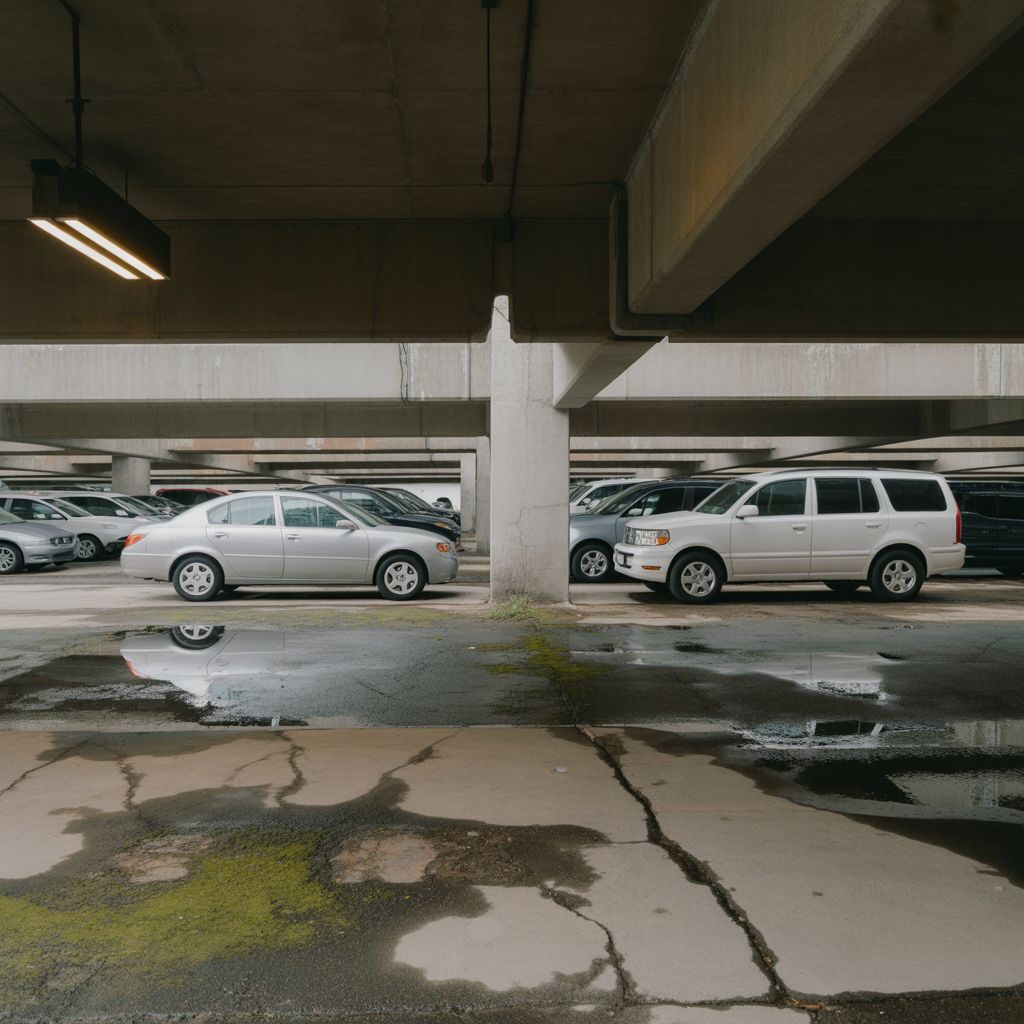
Maintaining a clean car park is more than an aesthetic choice. It is a critical safety and operational priority for commercial and industrial properties. Carparks experience constant vehicle and foot traffic, making them vulnerable to surface contamination, debris buildup, and drainage issues. When these areas are not cleaned regularly, they can quickly become unsafe for pedestrians, drivers, and on-site workers.
In this blog, we explore the common hazards created by dirty carparks, explain how effective carpark hazards cleaning helps reduce risks, and provide practical guidance for maintaining safer parking environments.
Problems That Dirty Car Parks Create
Car parks get heavy traffic every day. People walk through constantly. Cars come and go. Equipment moves around, too. Hazards build up fast without regular cleaning. Several dangerous conditions develop:
- Water pools where drains get blocked
- Oil and fuel stains appear on surfaces
- Leaves and gravel collect everywhere
- Glass and trash are scattered around
- Cracks and holes form in the pavement
These problems create unsafe conditions. Anyone using the car park faces risks.
Main Hazards in Poorly Kept Car Parks
Oil, Fuel, and Grease Problems
Spilled oil sits on surfaces for days or weeks. Nobody notices it right away. These liquids make surfaces extremely slippery. People walking across them fall easily. Cars lose traction too. The problem gets much worse when it rains. Oil and water together create even more dangerous conditions.
Water That Won’t Drain
Drainage systems frequently become blocked by dirt, leaves, and litter. When water cannot drain properly, it pools on the surface, creating slippery areas and accelerating surface wear. Routine carpark hazards cleaning plays an important role in preventing water buildup and maintaining safe walking conditions.
Loose Materials Everywhere
Gravel spreads from landscape areas. Sand piles up from traffic and weather. Leaves blow in and stay there. Broken glass hides in corners. All of this causes slips and trips. Vehicle damage happens too. Scratched paint and cracked windshields lead to complaints and repair costs.
Damaged Surfaces and Holes
Car parks without proper care fall apart. Cracks show up first. These grow into potholes over time. Pedestrians trip on these defects. Vehicles get damaged driving over them. Areas where forklifts work face bigger problems. When car parks connect to warehouses, these hazards spread inside.
How Car Park Dirt Affects Warehouses
Many buildings have warehouses next to their car parks. Delivery drivers walk back and forth all day. Forklift operators move between areas constantly. Staff cross these spaces during every shift.
Dirt gets tracked inside easily. Shoes carry water indoors. Oil sticks to boot soles. Equipment wheels bring in debris. Warehouse floors become slippery. More injuries happen. Work gets disrupted. Clean car parks stop this contamination at the source.
Professional Cleaning Works Better
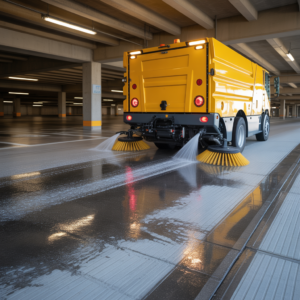
Professional cleaners use industrial equipment. Sweepers, scrubbers and pressure washers remove hazards thoroughly. This equipment:
- Gets rid of all oil and grease
- Removes loose dirt and debris completely
- Keeps drains working properly
- Makes surfaces safer to walk on
- Improves visibility of markings
Professional cleaning services also spots pavement damage early. Small problems get fixed before they become expensive repairs.
Steps for Safer Car Parks
Facility managers can reduce risks with these actions:
Check Areas Regularly
Walk through daily or weekly. Look for:
- Any type of spill
- Standing water or puddles
- Trash and loose materials
- Drains that need clearing
Set Up Cleaning Times
Plan regular work:
- Sweep with machines weekly
- Pressure wash monthly
- Clean drains every few months
Fix Problems Fast
Take action when issues appear:
- Fill cracks and holes quickly
- Add anti-slip treatments where needed
- Put up warning signs in wet weather
- Keep all signs visible during cleaning
These steps meet safety rules and prevent accidents.
A Working Cleaning Schedule
Good programs follow clear plans:
Daily: Walk through and check for hazards. Pick up trash. Look for fresh spills.
Weekly: Run sweepers across all areas. This picks up dirt and small debris.
Monthly: Use pressure washers for deep cleaning. This removes stubborn oil and grime.
Quarterly: Clean all drains thoroughly. Check pavement condition. Note any damage found.
This approach handles problems before accidents happen.
Final Thoughts
Dirty carparks present avoidable safety and operational risks. Through consistent carpark hazards cleaning, property owners and facility managers can reduce accident potential, protect vehicles and pedestrians, and support safer warehouse operations.
Consistent maintenance shows good property management. It saves money by preventing bigger problems. For help with cleaning, All Zones offers services that keep commercial properties safe..
If your carpark needs a professional cleaning, then:
Call us today: 433 843 206
Email: Contact@sweepnscrub.com.au
Discover our full range of services
Factory Sweeping & Scrubbing
Warehouse Sweeping & Scrubbing
Pressure Cleaning