
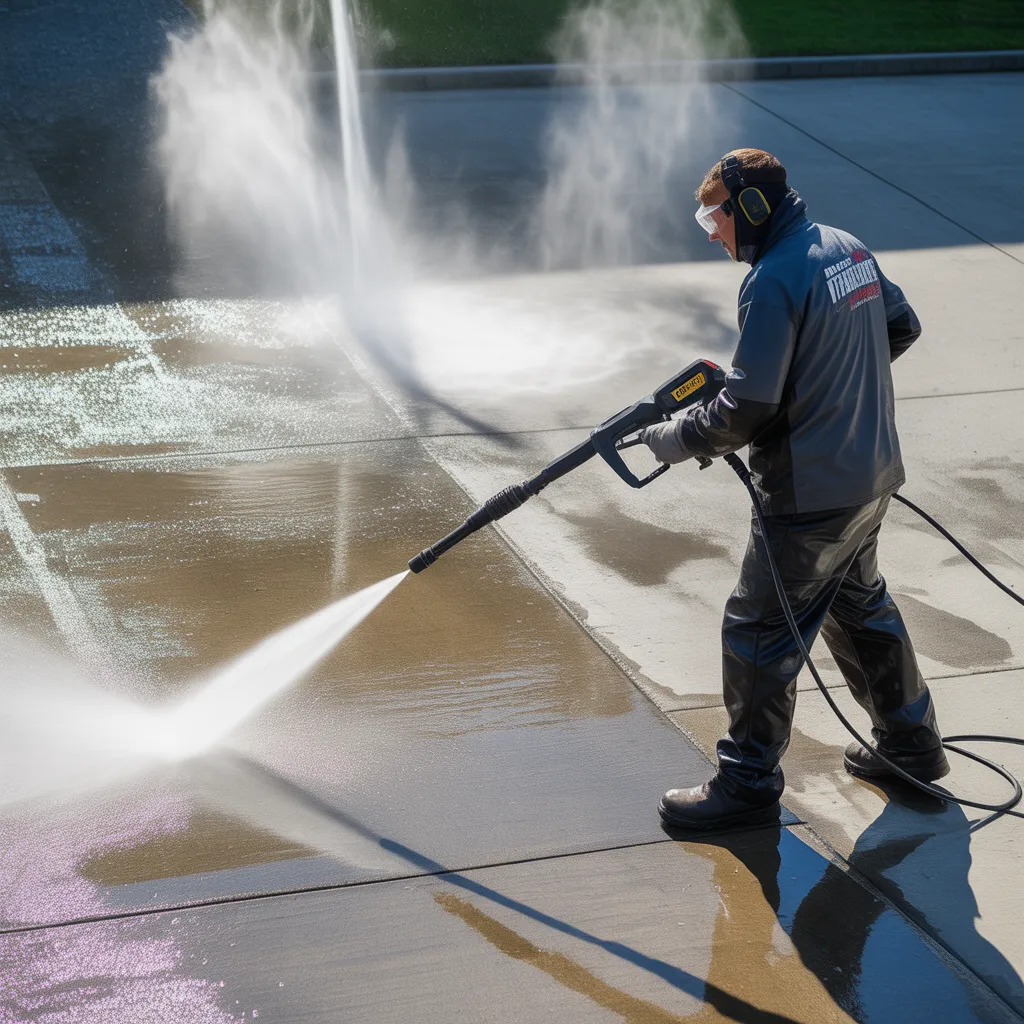
A clean car park isn’t just about looks. Safety comes first. Then there’s protecting what you’ve invested in. Plus, everything works better when the space is properly maintained. We get asked about cleaning schedules all the time.
Here’s how carpark pressure washing works. High-pressure water blasts away dirt, oil, grease, and whatever else builds up on surfaces. The buildup causes damage if left alone. It also makes things slippery, which leads to accidents.
Most carparks need carpark pressure washing every three to six months. That said, your situation could be totally different. Traffic levels matter. Weather plays a role. How people actually use the space changes everything. Get the timing right, and your surface will stay safe and last years longer.
Why You Can’t Skip Regular Cleaning?
Just think about a typical day in any car park. Cars pull in and out hundreds of times. Each one drips a little oil here, leaves tyre marks there, tracks in mud from the street. Water gets splashed around. Before long, you’ve got layers of gunk building up exactly why commercial pressure cleaning becomes essential, not optional.
Now here’s where it gets serious. Oil mixed with water becomes incredibly slippery. We’re talking ice-rink levels of danger. People fall hard. Cars can’t grip properly and slide around. Nobody wants that kind of liability. Regular commercial pressure cleaning removes these hazards early, before they turn into costly accidents.
The surface itself takes a beating, too. Dirt particles work their way down into every crack. Chemicals from cars do the same thing. Concrete and asphalt start breaking down from the inside out. Next thing you know, you’re looking at major repairs instead of simple maintenance. Routine washing with professional pressure cleaning buys you time and saves serious money.
Then there’s what visitors think when they pull in. Imagine arriving at a property where the car park looks grimy and neglected. Compare that to pulling into a spotless space. One screams professional management. The other raises questions. Your car park sets the tone before people even get out of their cars.
Figuring Out Your Cleaning Timeline
The three to six-month range covers most commercial properties. Your place might need something different, though. Different buildings have different requirements.
What Different Locations Actually Need
Shopping centers get hammered with traffic from opening to closing. Cars everywhere, all day long. Three months between cleanings keeps these places in decent shape.
Office buildings see patterns you can predict. Morning rush, lunch time, evening exodus. Four to six months usually does the job here.
Industrial sites face tougher conditions. Big trucks rolling through. Forklifts are moving around. Heavy machinery is leaking fluids. Two to three months makes more sense for these operations.
Then you’ve got seasonal spots or places without much action. Cleaning twice yearly handles these just fine.
What Actually Affects Your Schedule
Several things combine to determine your real needs.
Traffic Volume Matters
Simple math here. More cars equal more mess. High traffic means you’ll clean more often. No way around it.
Surface Materials Behave Differently
Concrete shows everything. Every single stain stands out. Asphalt soaks oil right down into itself. You need different strategies for each one.
Weather Makes a Difference
Rain brings more dirt. Wind blows dust everywhere. Leaves fall and rot into stains. Damp conditions let algae take over, which becomes a serious slip hazard.
Usage Patterns Vary
Loading areas get hit harder than regular spots. Delivery zones see constant spills. Service bays where mechanics work collect oil fast. These zones might need attention between full washes.
What Professionals Actually Handle
Real carpark pressure washing isn’t just spraying water around.. There’s a proper method to it. Someone walks through first, checking the whole area. They tag stains, mark cracks, and spot trouble areas. Then barriers go up to keep people safe during the work.
The equipment used isn’t consumer-grade stuff. These are serious industrial machines. Pressure gets dialed in based on what you’re cleaning. Crank it too high, and you’ll damage things. Keep it too low and nothing gets clean.
Stubborn oil needs special treatment. Degreasers break down what water alone can’t touch. Once everything’s finished, another inspection confirms nothing got missed, and the surface is ready for traffic again.
Red Flags That Mean Act Now
Sticking to your schedule makes sense most of the time. Sometimes, though, you need to move faster. Here’s what to watch for.
Dark oil patches that rain doesn’t wash away. Slick spots that stay wet and dangerous. Heavy dirt is piling up where cars enter and exit. Backed-up drains or standing water that won’t clear. Complaints from people using your property.
See any of these?
Don’t wait. Problems multiply when ignored. Safety risks grow. Damage gets worse.
Why Regular Service Pays Off Long Term
Property managers who plan ahead do better financially. Pressure washing on schedule costs way less than emergency repairs later. You know what’s coming. The budget accounts for it. Safety stays ahead of problems instead of chasing them.
Simple Steps Between Professional Visits
Big cleaning jobs need professionals. Between those visits, though, basic maintenance helps tremendously.
Sweep often to get loose stuff off the ground. Fresh oil drips? Wipe them up right away. Keep drains clear of leaves and garbage. Watch high-traffic zones more closely.
Small efforts make professional cleaning work better and last longer.
Bottom Line
Three to six months works for most carparks when it comes to carpark pressure washing. Heavy-use properties need it more often. Regular service stops accidents, makes pavement last, and keeps everything looking professional.
All Zones handle pressure washing for commercial and industrial properties everywhere. We’ve got equipment that tackles serious jobs. Our people understand different surfaces and how to treat them right. Call All Zones now to arrange a schedule that fits your property.
Frequently Asked Questions
Can pressure washing remove old oil stains?
Old oil comes out, though it takes more effort than fresh spills. New stains disappear in one session, usually. Oil that’s soaked deep into asphalt over months or years? That needs multiple passes to lift completely. Professionals combine strong degreasers with high-pressure technique.
The chemicals break molecular bonds while pressure physically removes residue. Really ancient stains might leave slight shadows behind, but the transformation is night and day compared to doing nothing
Is pressure washing safe for concrete and asphalt?
Both materials handle pressure washing fine when experts run the equipment. Settings matter enormously here. Concrete takes higher pressure because it’s harder. Asphalt needs gentler treatment, or you’ll tear the surface up.
Trained operators know exactly where to set their machines. They also pick cleaning products that won’t react badly with specific materials. DIY attempts cause damage because people guess at settings instead of knowing them.
Does pressure washing help prevent accidents?
Accident rates drop substantially after proper cleaning. Oil on pavement mixed with rain becomes extremely hazardous. People lose footing and go down hard. Vehicles lose grip and can’t stop or turn properly. Algae creates invisible danger zones where moisture collects. Washing eliminates these threats before someone gets injured. The traction improvement is something you feel immediately when walking across cleaned pavement versus dirty surfaces.
Will pressure washing disrupt daily operations?
Disruption stays minimal with proper scheduling. Professionals work during off-peak times. Early morning before opening. Late evening after closing. Weekends when traffic drops. Large properties get cleaned in sections, so other areas stay open.
Clear signage routes people around active work zones. Industrial equipment covers ground quickly, too. Most complete jobs wrap up in hours rather than days. Smart planning means customers rarely even notice work happening.