
Floor scrubbers first appeared in the 1960s and were created to help people clean large floor areas faster and with better hygiene.
Keeping a warehouse or factory clean depends on choosing the right method. Many workplaces deal with dust, dirt and stains every day, so it becomes important to know the difference between sweeping and scrubbing.
Although both clean floors, they do very different things. Because of this, the results also differ, and the time taken changes as well. All Zones carry out warehouse cleaning and factory cleaning services, and these services rely on using the correct approach for each site.
To understand this better, the sections below explain each method in a simple and clear way.
What Sweeping Means
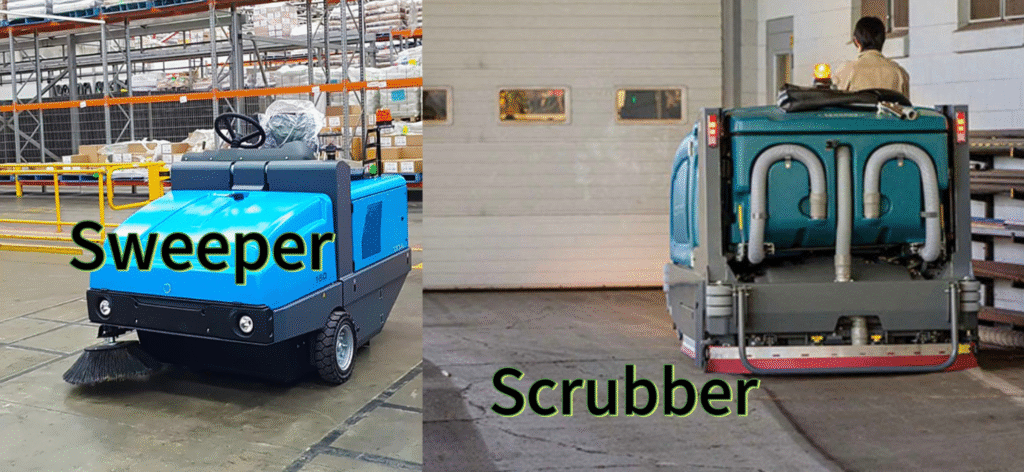
Sweeping is the first step in most cleaning plans. It is a dry process, and the aim is to remove loose dirt, dust and small debris from the surface. A sweeper uses brushes to gather this material, and some machines also use suction to hold the dust.
Many floors collect small pieces of cardboard, sand, soil and fine dust during daily work. Because of this, sweeping becomes a regular task. It does not need water or cleaning liquid, so it can be done quickly without stopping operations for long.
When Sweeping Helps Most
Sweeping is useful when:
- The floor has loose dust or light debris
- The space needs quick daily cleaning
The floor must be prepared before deeper cleaning.
It is often used in the early part of the day or after a shift ends. The main goal is to keep the floor clear so that people and equipment can move without issues. In the same way, sweeping can prevent dust from spreading to shelves and products.
What Scrubbing Means
Scrubbing is a wet cleaning method. A scrubber releases water and cleaning solution, then brushes the floor to loosen dirt. After this, the machine removes the dirty water using a vacuum system. As a result, the floor becomes cleaner and more even in appearance.
Scrubbing works well on marks that sweeping cannot remove. These include oil spots, dried spills, stains, tyre marks and grime that collects over time. For this reason, areas that need higher hygiene often depend on scrubbing, especially food handling zones or busy production floors.
When Scrubbing Works Best
Scrubbing is suitable when:
- There are stains or sticky marks
- Hygiene rules require deeper cleaning
- The surface needs more care than sweeping can provide
Although scrubbing takes longer than sweeping, it gives a more complete result. Because of this, many workplaces scrub on a scheduled basis instead of every day.
Sweeping vs Scrubbing: Key Differences
Both methods clean the floor, but they work in different ways. This also means the outcomes are not the same. Understanding these differences helps choose the right process.
Purpose- sweeping removes loose materials that sit on top of the floor. Scrubbing removes dirt that has settled or hardened.
Method- sweeping uses brushes and sometimes suction. Scrubbing uses water, cleaning solution, brushes and a vacuum system.
Use Cases- sweeping fits daily cleaning. Scrubbing fits deeper cleaning that happens less often.
Effect- sweeping makes the floor tidy. Scrubbing makes the floor cleaner and safer.
Because each method serves a different role, many sites use both to maintain the space throughout the month.
Warehouse Sweeper vs Scrubber: How to Choose
A warehouse sweeper vs scrubber comparison becomes helpful when deciding what your space truly needs. The decision depends on the type of dirt, the level of use and the expected finish.
Choose a sweeper when the main concern is dust and loose debris. Sweepers remove these faster and without water. Also, sweeping avoids adding moisture to the surface, which helps when work must continue right away.
On the other hand, choose a scrubber when stains or grime are present. A scrubber gives a more complete clean because it washes the floor instead of only clearing the surface. It is also the safer option when oil or grease makes the area slippery.
Some workplaces depend heavily on both. They sweep daily because dust returns quickly, and they scrub weekly or monthly to keep deeper marks under control. This combination usually offers the most balanced result.
Can One Machine Do Both?
Some machines can sweep and scrub. These combination units sweep the debris first and then scrub the floor. This reduces the need for two separate passes. However, these machines may cost more and may require careful maintenance. They are often used in large buildings where both actions are often.
A Simple Cleaning Routine That Works
A clear sequence helps maintain the floor without extra effort. The steps below are commonly used:
- Inspect the floor to find spots with spills or heavy dust.
- Sweep the whole area to remove loose debris.
- Scrub the surface if marks, stains or oil remain.
- Check again for any missed areas and spot-clean if required.
This approach improves safety and supports a cleaner work environment.
Why the Right Method Matters
Better Safety- Oil, dust and stains can cause accidents. Sweeping and scrubbing reduce these risks. As a result, staff and equipment can move more safely.
Higher Hygiene- Scrubbing removes residue and bacteria that sweeping cannot reach. This matters in facilities that must meet hygiene rules.
Longer Floor Life- Regular care prevents damage and reduces major repairs. A clean floor also handles traffic better.
Better Workflow- Clean floors help forklifts move smoothly, reduce dust on products and create a better work setting.
All Zones supports these goals through professional cleaning solutions, ensuring the right method is used for each section of the facility.
Frequently Asked Question
1. Why should sweeping be done before scrubbing?
Sweeping removes loose dirt. If this step is skipped, the scrubber may spread debris across the floor, leaving marks or residue. Sweeping also protects the scrubber parts from wear because large debris can damage the brushes or block the vacuum.
2. How often is sweeping recommended?
Sweeping is usually done daily in busy warehouses. Dust builds up quickly from forklift traffic, pallets and packing material. Regular sweeping also makes the scrubbing process smoother because the surface stays more prepared.
3. How often should scrubbing be done?
Scrubbing depends on the type of work. Some locations scrub once a week, while others scrub monthly. Areas with spills, grease or constant traffic may require more frequent scrubbing. The goal is to prevent stains from becoming harder to remove.
4. Does scrubbing damage the floor?
Scrubbing is safe when the correct pads, pressure and cleaning solution are used. Problems occur only when tools meant for a different floor type are used. Trained teams check the floor material before choosing the settings.
5. Can sweeping control fine dust?
Yes. Modern sweepers include dust-control systems that reduce dust from rising into the air. This helps keep shelves, products and equipment cleaner and improves indoor air quality for workers.