
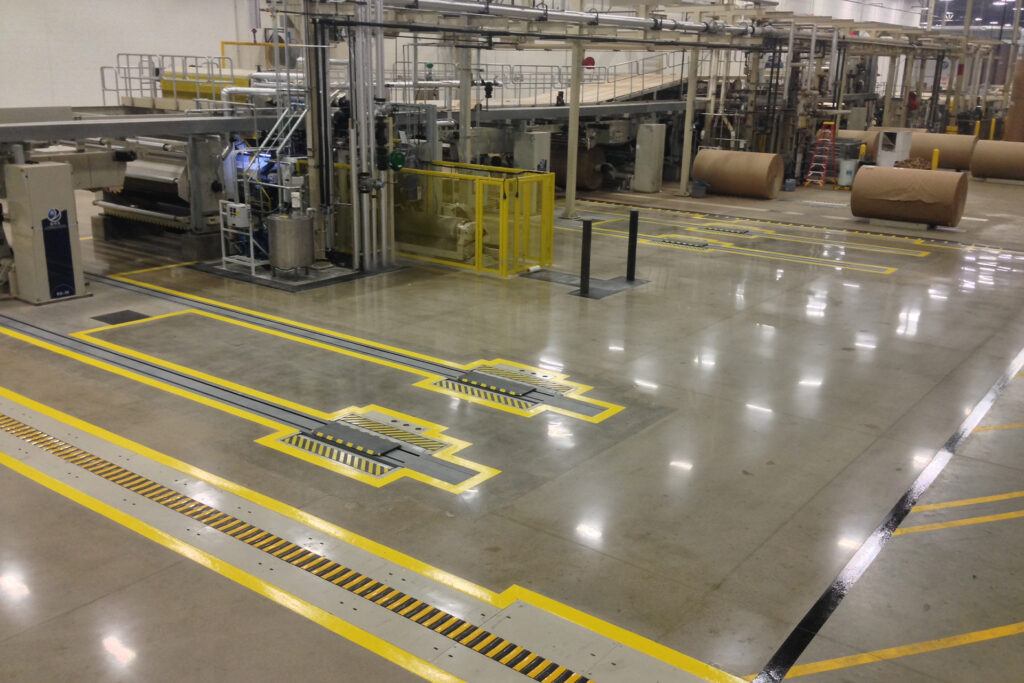
Regular factory floor cleaning is one of the most important parts of running a safe and efficient factory. According to the U.S. National Institute for Occupational Safety and Health, slips, trips, and falls cause about 18 percent of nonfatal workplace injuries that lead to time away from work. Many of these injuries are linked to unsafe floor conditions.
This fact clearly shows that clean floors are not only about appearance. They are directly connected to worker safety, productivity, and long-term cost control.
In a busy factory, dust, oil, and debris build up quickly. If these materials are not removed on a regular schedule, they create hazards and damage equipment. A structured cleaning plan helps factories protect workers, maintain compliance, and support smooth daily operations.
Safety and injury prevention
First of all, safety is the main reason factories need regular cleaning. Factory floors face constant traffic from workers and vehicles. When spills and dust remain on the surface, the risk of slipping or falling increases. Even a small accident can cause serious injury and lead to lost workdays.
Consistent factory floor cleaning removes hazards before they become dangerous. Mechanical sweeping captures fine dust that manual methods often miss. Industrial scrubbing restores grip and removes oily residue. As a result, workers can move with confidence, and supervisors can clearly see developing problems such as cracks or leaks.
Moreover, safer floors reduce insurance claims and downtime. When injuries decrease, production continues without interruption. Therefore, cleaning is an important part of any safety program.
Compliance with workplace standards
In addition, factories must follow workplace safety rules and internal standards. Cleanliness is often checked during inspections and audits. A documented cleaning schedule shows that a company is actively managing risk.
Professional providers such as All Zones support compliance by offering structured service plans and written reports. These records help facility managers prove that regular maintenance is taking place. Consequently, audits become easier and less stressful.
Compliance is not a one-time task. It requires steady effort. A dependable cleaning program ensures that standards are met every day and not only when inspectors arrive.
Protection of equipment and infrastructure
Another important benefit is equipment protection. Dust and debris do not stay on the floor. They spread into machinery and ventilation systems. Fine particles can damage moving parts and block filters. Oil and chemicals can cause corrosion over time.
Regular factory floor cleaning controls contamination at the source. When floors stay clean, less debris enters sensitive equipment. This leads to fewer breakdowns and lower repair costs.
Furthermore, preventive maintenance extends the life of expensive machinery. Instead of reacting to sudden failures, factories can operate with more stability and predictability.
Improved productivity and workflow
Clean floors also support better workflow. Forklifts and carts move more smoothly on debris-free surfaces. Workers can complete tasks without avoiding hazards. As a result, daily operations become more efficient.
A tidy environment encourages employees to follow good housekeeping habits. When a facility is well-maintained, workers are more likely to keep their areas organized. This creates a culture of responsibility and care.
We work with facility managers to schedule services during off-hours or planned shutdowns. Therefore, production continues with minimal disruption. Efficient scheduling protects both cleanliness and output.
Extending the life of industrial flooring
Industrial floors are a major investment. Over time, abrasive dirt and chemical spills wear down protective coatings. Grit acts like sandpaper under heavy traffic. If this damage continues, floors may need early replacement.
Routine sweeping and scrubbing remove harmful materials before they cause lasting harm. This preventive care extends the life of concrete and coated surfaces. Consequently, factories save money on repairs and resurfacing.
Longer floor life also improves budgeting. Instead of facing sudden large expenses, companies can plan maintenance in a controlled way.
What a professional cleaning program includes
An effective cleaning program begins with a site assessment. Professionals study traffic patterns and contamination sources. Then they design a plan that fits the specific environment.
A complete service program usually includes the following steps.
- On-site inspection and customized schedules
- Mechanical sweeping to remove dust and debris
- Industrial scrubbing for grease and residue
- Targeted treatment of high-risk areas
- Written service reports and safety records
Recommended cleaning frequency
Cleaning frequency depends on how the facility operates. High traffic production zones need more attention than storage areas. A balanced schedule ensures that resources are used wisely.
General guidelines include the following.
- Daily cleaning for heavy production or spill-prone areas
- Several weekly services for moderate traffic zones
- Weekly or monthly cleaning for low-use spaces
Regular reviews allow managers to adjust the schedule as conditions change. Flexible planning keeps the program effective.
Implementation steps for facility managers
Facility managers can follow a simple framework to build a strong maintenance program.
- Request a professional site assessment
- Identify high-risk and high-traffic areas
- Set clear safety and performance goals
- Choose mechanized cleaning methods
- Keep detailed service records
- Review progress every quarter
This step-by-step approach connects cleaning with the overall operational strategy.
Environmental control and surrounding protection
Clean floors also improve indoor air quality. Less dust in the air protects worker health and product quality. Controlled contamination is especially important in sensitive industries.
Facilities that maintain high standards show strong management and professionalism. This reputation builds trust with regulators and clients.

Choosing a qualified cleaning partner
Selecting the right provider is essential. A dependable company should demonstrate experience in industrial settings and follow strict safety practices.
Important qualities include the following.
- Experience with factory environments
- Trained and certified operators
- Modern and well-maintained equipment
- Safety-focused procedures
- Flexible scheduling
- Clear reporting and insurance coverage
Long-term financial benefits
The financial value of regular factory floor cleaning goes beyond safety. Fewer accidents mean lower compensation costs. Better equipment protection reduces repair bills. An extended floor life delays expensive replacements. By investing in industrial sweeping and scrubbing services, facilities can maintain cleaner environments while protecting long-term assets.
Over time, these savings add up. Preventive maintenance supports steady operations and better budgeting.
Building a culture of cleanliness
Sustained success requires a culture that values cleanliness. When leadership treats maintenance as a priority, employees follow that example. Consistent cleaning reinforces accountability and discipline.
A clean factory reflects strong management. Clients and partners notice an organized and hazard-free site. This positive image supports long-term business growth.
Conclusion
Regular factory floor cleaning is a practical investment in safety, efficiency, and asset protection. It lowers injury risk, supports compliance, protects machinery, and extends the life of industrial floors. A structured program delivered by experienced professionals creates steady and measurable benefits.
Factories that focus on preventive maintenance prepare themselves for long-term success. Working with an experienced provider such as All Zones ensures reliable performance while allowing teams to focus on production goals.
Frequently asked questions
Can industrial cleaning equipment damage factory floors?
Professional providers select equipment and cleaning solutions based on the floor type. Brushes, pads, and detergents are matched carefully to the surface. When used correctly, mechanized cleaning protects coatings while removing contaminants.
What kind of records should a cleaning service provide?
A professional provider should supply service logs, safety reports, and proof of insurance. These documents help with audits and compliance checks. They also allow managers to track maintenance performance over time.
How quickly can a facility see results from regular cleaning?
Safety improvements often appear within a few weeks as hazards decrease. Equipment benefits and cost savings become clearer over several months. Consistent cleaning leads to gradual and lasting improvements.
Is outsourcing cleaning better than handling it in-house?
Outsourcing gives access to specialized equipment and trained operators. Professional teams can deliver deeper and more consistent cleaning than most in-house methods. As a result, facilities gain better safety and efficiency outcomes.