
Construction sites are busy, constantly changing environments. Vehicles enter and exit throughout the day, materials are moved regularly, and ground conditions change as work progresses. In these conditions, dirt, dust, and loose debris can build up quickly on site roads and nearby access areas.
This is where construction site road sweeping becomes essential. Companies such as All Zones work closely with construction teams to manage these conditions effectively. Their experience across industrial and commercial cleaning highlights a clear reality. Clean site roads are not about appearance alone. They are a practical requirement for safety, compliance, and efficient daily operations.
Understanding why road sweeping is required helps construction managers plan better, reduce risk, and maintain control over site conditions from start to finish.
How Dirt and Dust Leave a Construction Site
Most issues begin at the site entry and exit points.
Vehicles drive over loose soil and construction material. That material sticks to tyres and undercarriages. When vehicles leave the site, the material is carried onto surrounding roads.
During dry conditions, this material turns into dust and is lifted into the air by traffic. During wet weather, it is washed into gutters and stormwater drains.
Once material leaves the site boundary, it becomes far more difficult to manage. This is why regular construction site road sweeping inside and around the site is necessary.
Safety Risks When Roads Are Not Clean
Dirty roads present clear safety risks.
Loose gravel, mud, and dust reduce tyre grip. This increases the risk of skidding, particularly for heavy vehicles and delivery trucks. Pedestrians are also at risk when footpaths become slippery.
Dust exposure is another concern. Fine particles are easily disturbed and remain airborne. Workers who spend long hours on site are the most affected.
Regular sweeping removes settled material before it becomes airborne again. This simple action reduces safety risks across the entire site.
Environmental Impact of Poor Site Housekeeping
Construction activities affect more than just the site itself.
Sediment washed into stormwater systems can block drains and enter local waterways. Once this occurs, the issue extends beyond the site and becomes an environmental concern.
Dust that leaves the site can settle on nearby homes, vehicles, and businesses. This often results in complaints, which can lead to inspections and enforcement action.
Using construction site road sweeping as part of routine site management helps prevent these issues. It keeps material contained and reduces off-site environmental impact.
Compliance Is a Practical Requirement
Compliance is not limited to audits or paperwork.
Councils and regulators can identify problems simply by observing site conditions. Dirty roads, visible dust, and blocked drains are clear indicators of poor site control.
Regular road sweeping demonstrates that a site is being actively managed. It is a visible control measure that inspectors recognise immediately.
Addressing issues early reduces the likelihood of warnings, fines, or work disruptions. Sweeping plays a key role in maintaining compliance.
What Makes Road Sweeping Effective on Construction Sites
Road sweeping is effective when it is planned and carried out consistently.
A practical approach usually includes:
- Regular cleaning of site access roads
- Prioritising exit points where material tracking occurs
- Adjusting sweeping frequency based on weather and site activity
- Using equipment designed for heavy debris and fine dust
- Keeping basic records of cleaning activity
These steps are straightforward but are often overlooked when schedules become tight.
Why Professional Sweeping Is Common on Active Sites
Manual cleaning and small machines are rarely sufficient for active construction sites. The volume of debris is high, and site conditions change rapidly.
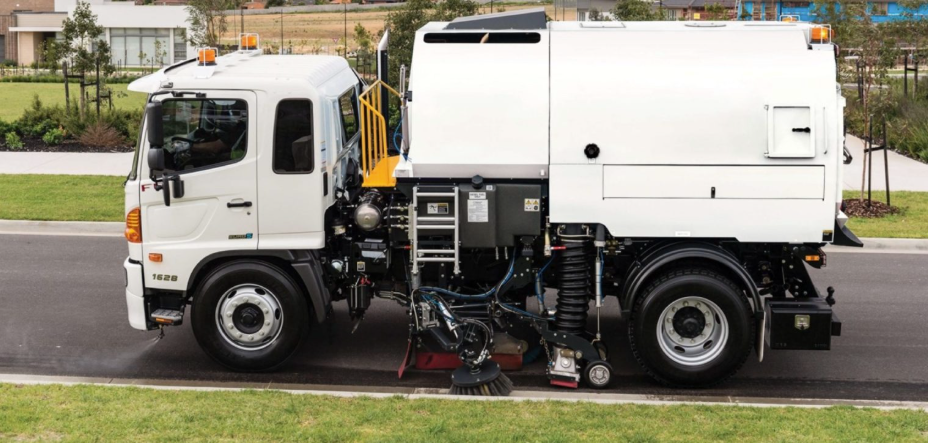
Industrial sweepers are designed to collect both fine dust and heavier material. Trained operators can work safely around live traffic, plants, and personnel.
For this reason, many contractors rely on external providers rather than managing sweeping internally.
Engaging professional services also reduces the workload on site staff, who already manage multiple responsibilities.
How All Zones Supports Construction Sites
All Zones provides road sweeping services that are practical and site-focused rather than generic.
Their services commonly include:
- Routine internal road sweeping
- Cleaning public roads affected by construction traffic
- Short-notice clean-ups after high vehicle movement
- Support during environmental and safety inspections
By working with experts, site managers can maintain cleaner roads without disrupting daily operations.
Conclusion
Road sweeping is not an optional task on construction sites. It is a basic control that supports safety, protects the environment, and helps meet regulatory expectations.
When carried out regularly, it reduces dust, limits material tracking, and keeps surrounding roads clean. It also makes inspections and day-to-day site management easier.
Working with experienced providers allows construction teams to maintain these standards without adding pressure to site staff.
Clean roads lead to fewer issues. That is why road sweeping remains a standard requirement on well-managed construction sites.
Frequently Asked Questions
Is road sweeping mandatory on construction sites?
While regulations may not always specify sweeping by name, they require effective dust and pollution control. Road sweeping is a recognised method of meeting these requirements.
How often should road sweeping be carried out?
Frequency depends on traffic levels and weather conditions. High-traffic sites may require daily sweeping, while smaller sites may need it several times per week, with additional cleaning after rain.
Does road sweeping reduce dust complaints?
Yes. Removing settled material reduces the amount of dust that can become airborne, which helps limit complaints from nearby properties.
Can site staff manage road sweeping themselves?
For small or low-traffic areas, this may be possible. On active sites with heavy vehicle movement, professional sweeping equipment is usually more effective and safer.
Which areas should be prioritised?
Site entry and exit points should always be prioritised, followed by main internal roads and areas where material builds up quickly.